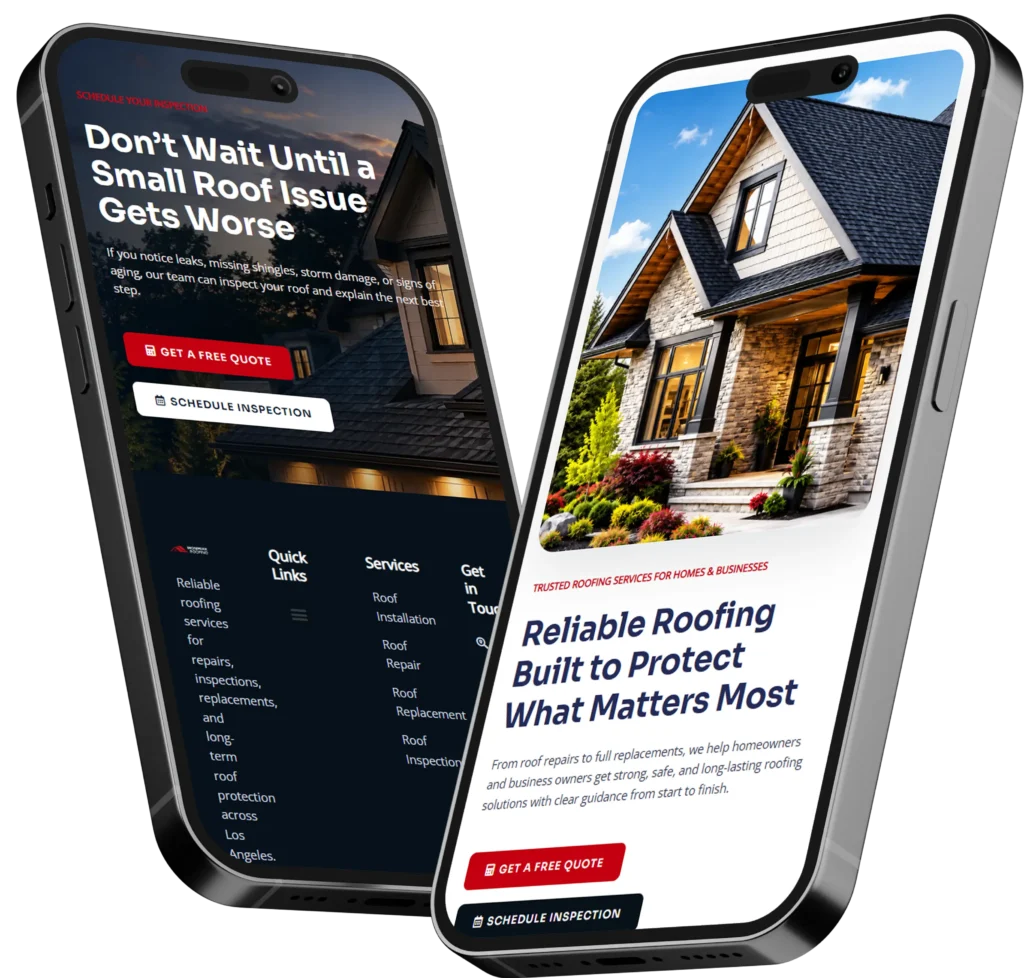
A conversion focused website is designed to turn visitors into leads or customers by guiding them toward a specific action. It uses strategic design, messaging, and user experience to increase conversions instead of just attracting traffic.
If your website gets traffic but no results, the issue is not visibility. It is a conversion.
What Is a Conversion-Focused Website?
A conversion-focused website is built with one goal in mind: getting users to take action. That action could be filling out a form, booking a call, or making a purchase.
Unlike traditional websites that focus on aesthetics alone, conversion-focused sites prioritize user behavior, clarity, and persuasion.
Why This Matters Today
Many businesses invest heavily in SEO or ads but ignore what happens after a visitor lands on the page. Without conversion optimization, even high traffic becomes a wasted opportunity.
A well-structured website ensures:
✅ Clear user journey
✅ Strategic call-to-action placement
✅ Trust-building elements
✅ Faster decision-making for users
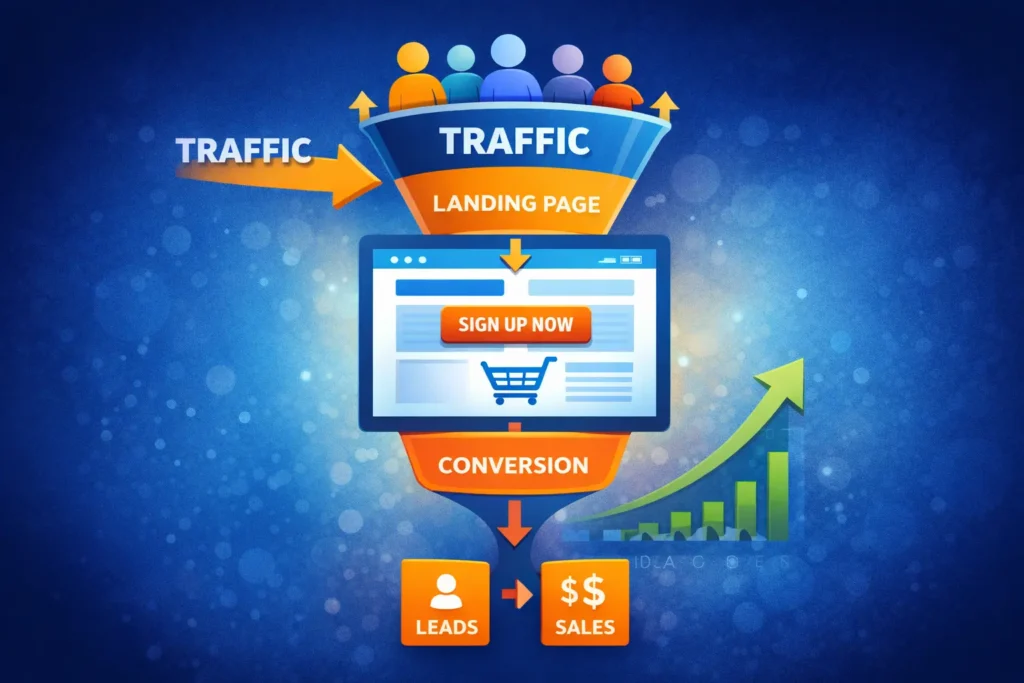
Why a Conversion-Focused Website Is Important
A website should not just exist. It should perform.
Here is what happens when your website is optimized for conversion:
| Metric | Traditional Website | Conversion Focused Website |
| Bounce Rate | High | Lower |
| Lead Generation | Inconsistent | Predictable |
| User Engagement | Low | High |
| ROI from Traffic | Poor | Strong |
Real Example
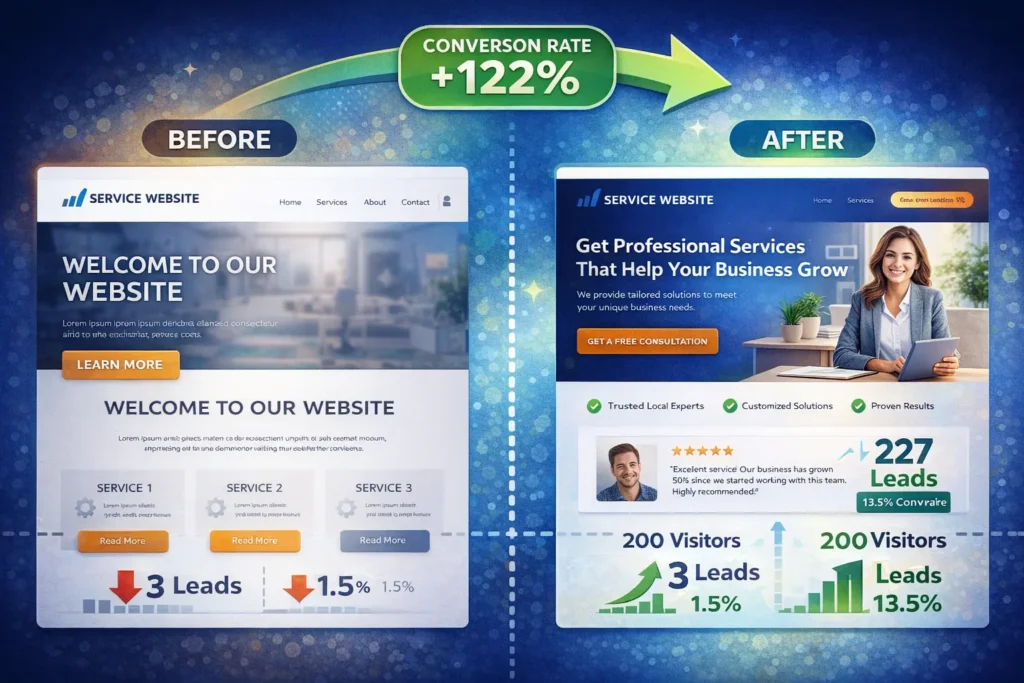
A local service business redesigned its homepage with a clear CTA and simplified layout. Result:
- 42% increase in inquiries
- 30% lower bounce rate
This is the difference between design and strategy.
How a Conversion-Focused Website Works
A conversion-focused website works by aligning user intent with clear messaging and frictionless design.
The Core Process
- A visitor lands on your page
- They instantly understand your offer
- They see a clear next step
- They feel trust and take action
This structure is intentional, not accidental.
👉 If you want to see real-world implementations, check this portfolio highlights
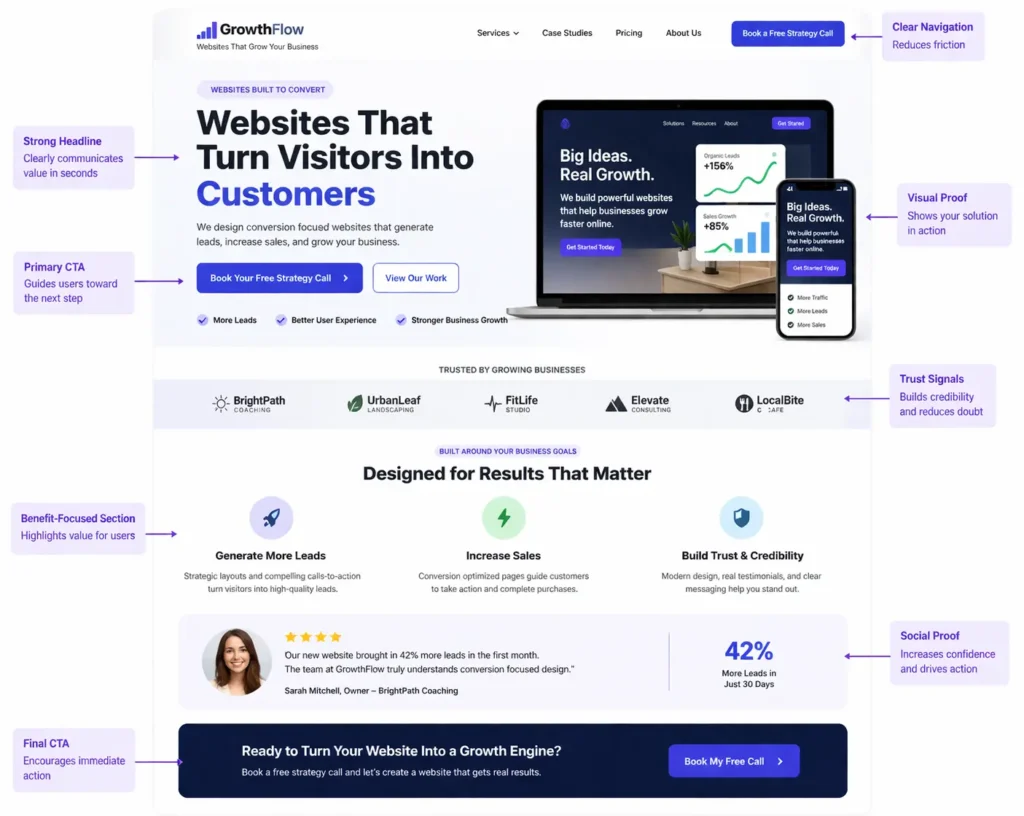
Key Elements of a High-Converting Website
Not all websites convert. The difference lies in execution.
1. Clear Value Proposition
Your visitor should know within 3 seconds:
- What you offer
- Who it is for
- Why it matters
2. Strategic Call-To-Action (CTA)
A CTA is not just a button. It is a decision trigger.
👉 Learn how to structure it properly in this guide: https://saltwebdesigner.com/call-to-action-website/
3. Simple Navigation
Too many options confuse users. Fewer choices lead to faster decisions.
4. Trust Signals
These include:
- Testimonials
- Case studies
- Certifications
- Reviews
5. Speed Optimization ⚡
Even a 1-second delay can reduce conversions significantly.
For technical insights, refer to this external resource:
https://developers.google.com/web/fundamentals/performance/why-performance-matters
Conversion Focused Website vs Traditional Website
Understanding the difference helps you identify gaps in your current site.
| Feature | Traditional Website | Conversion Focused Website |
| Goal | Informational | Action-driven |
| Design | Visual-heavy | Purpose-driven |
| Content | Generic | Targeted messaging |
| CTA Placement | Random | Strategic |
| User Journey | Undefined | Structured |
CRO vs SEO: What Is the Difference?
CRO and SEO are often confused, but they serve different purposes.
| Aspect | SEO | CRO |
| Focus | Traffic | Conversions |
| Goal | Ranking in search engines | Turning visitors into customers |
| Strategy | Keywords, backlinks | UX, design, psychology |
Why You Need Both
SEO brings users in. CRO ensures they convert.
👉 You can explore a deeper breakdown here: https://saltwebdesigner.com/high-converting-website-design/
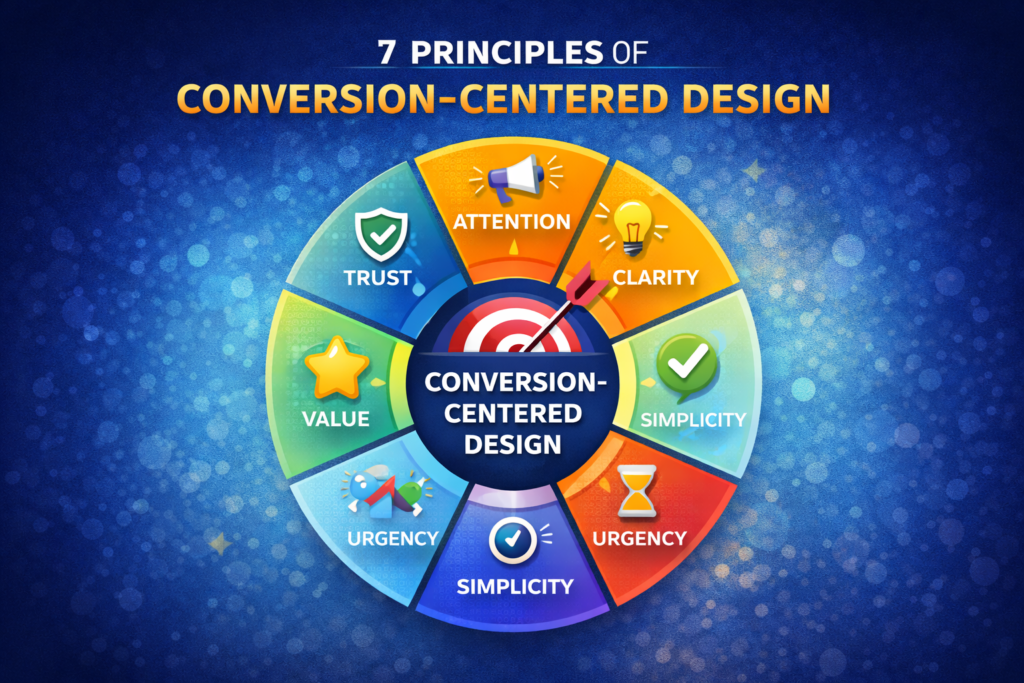
The 7 Principles of Conversion-Centered Design
These principles guide every successful conversion-focused website.
1. Attention
Grab attention immediately with strong headlines.
2. Clarity
Remove confusion. Make everything easy to understand.
3. Simplicity
Less clutter equals more conversions.
4. Urgency ⏳
Encourage action now, not later.
5. Relevance
Match your content to user intent.
6. Value
Show clear benefits, not just features.
7. Trust
Build credibility through proof and transparency.
How to Build a Conversion-Focused Website (Step-by-Step)
Creating a high-performing website requires structure.
Step 1: Define Your Primary Goal
Do you want:
- Leads
- Sales
- Bookings
Choose one main objective per page.
Step 2: Design the User Journey
Map how users move from landing to conversion.
Step 3: Optimize Layout
👉 Follow proven layouts like this: https://saltwebdesigner.com/best-landing-page-layout/
Step 4: Add Strategic CTAs
Use action-based language like:
- Get Started
- Book a Call
- Claim Offer
Step 5: Test and Improve
Conversion optimization is ongoing.
For additional CRO strategies, refer to:
https://www.cxl.com/blog/conversion-rate-optimization-guide/
Common Mistakes That Kill Conversions
Avoid these if you want results.
- Too many CTAs
- Slow loading pages
- Weak messaging
- Lack of trust signals
- Complicated navigation
Which Type of Website Is Best for Conversion?
The best website depends on your business model.
Comparison Table
| Website Type | Best For | Conversion Strength |
| Landing Page | Campaigns, ads | High |
| Service Website | Local businesses | Medium to High |
| Ecommerce | Product sales | High |
| Blog | Content marketing | Medium |
👉 For professional help, explore website design & development services
Practical Tips to Improve Your Conversion Rate
Here are actionable improvements you can apply today:
✔ Use one clear CTA per section
✔ Add testimonials near decision points
✔ Reduce form fields
✔ Use contrasting button colors
✔ Optimize mobile experience
👉 If you are starting from scratch, visit start your project here
Why Investing in a Conversion-Focused Website Pays Off
A conversion-focused strategy does not just improve metrics. It improves business growth.
Instead of chasing more traffic, you maximize the value of existing visitors.
This leads to:
- Lower customer acquisition cost
- Higher ROI
- Better user experience
Final Thoughts: Building a Conversion-Focused Website That Works
A conversion-focused website is not about trends or aesthetics. It is about performance, clarity, and results.
When done right, it transforms your website from a digital brochure into a revenue-generating system.
If your current site is not converting, the solution is not more traffic. It is a better strategy.
Frequently Asked Questions
What is a conversion-focused website?
A conversion-focused website is designed to guide users toward a specific action, such as purchasing, signing up, or booking a service. The main goal is to turn visitors into customers by optimizing layout, messaging, and user experience. It uses strategic design elements like CTAs, trust signals, and clear navigation to increase conversions and improve overall website performance.
What is CRO vs SEO?
CRO and SEO serve different roles in digital marketing. SEO focuses on bringing traffic to your website, while CRO focuses on converting that traffic into leads or sales. SEO uses keywords and rankings, while CRO improves user experience, design, and messaging. Both are essential because traffic without conversion does not generate business results.
What is a conversion website?
A conversion website is a site built specifically to encourage user actions. It is structured to guide visitors step-by-step toward completing a goal like filling out a form or making a purchase. Unlike traditional websites, it removes distractions and focuses on clarity, persuasion, and usability to increase results.
What are the 7 principles of conversion-centered design?
The 7 principles include attention, clarity, simplicity, urgency, relevance, value, and trust. These principles help structure a website in a way that encourages users to take action naturally and confidently. When applied correctly, they reduce friction, improve user experience, and significantly increase conversion rates.