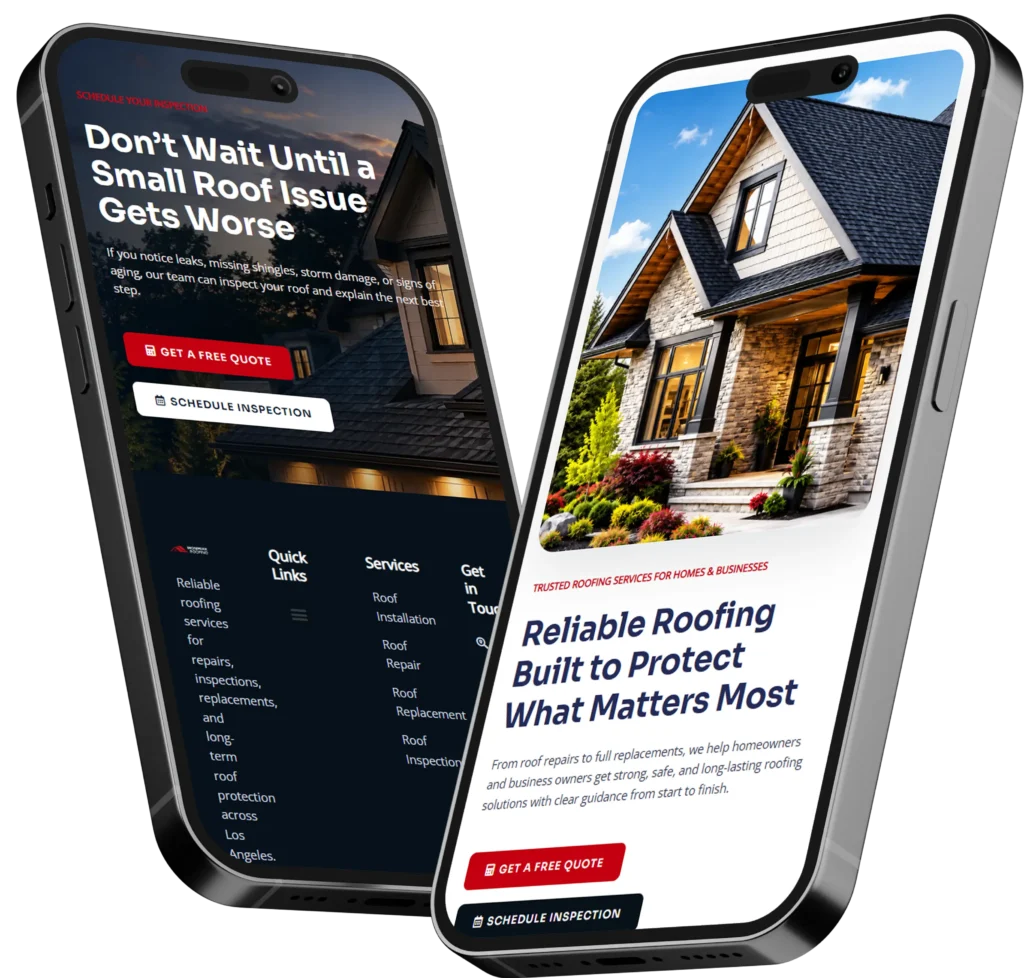
Branding for small business website means using your logo, colors, messaging, layout, photos, and calls to action consistently so visitors quickly understand who you help and why they should trust you. For a small business site, the best branding choice is a clear, custom design that matches your audience, services, and local credibility instead of relying only on a logo or template.
Your website is often the first place people judge your business. If the design looks confusing, outdated, or different from your social media and printed materials, visitors may hesitate before contacting you.
Good website branding does not need to feel complicated. It simply needs to make your business look professional, easy to understand, and worth choosing.
Why Website Branding Matters for Small Businesses
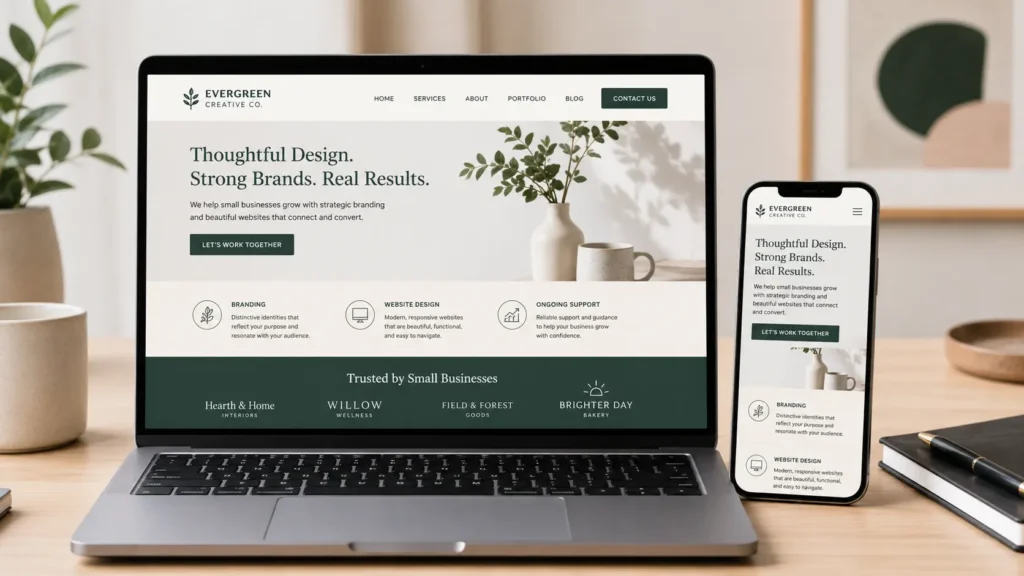
Small businesses usually compete with larger brands, local competitors, marketplaces, and social media pages. Your website branding helps you stand out by showing what makes your business different.
A visitor should be able to answer three questions within a few seconds:
✅ What does this business offer?
✅ Who is it for?
✅ Why should I trust them?
If your website answers those clearly, your brand starts working as a sales tool. If it does not, visitors may leave even if your service is good.
Nielsen Norman Group explains that website trust is influenced by design quality, upfront information, current content, and connection to the rest of the web. That is why branding is not only about visuals. It also includes your words, navigation, reviews, case studies, and how easy your site feels to use. You can read more from the Nielsen Norman Group guide on trustworthy design.
What Goes Into Strong Website Branding?
Website branding is the complete experience people get when they land on your site. A logo is part of it, but it is not the whole thing.
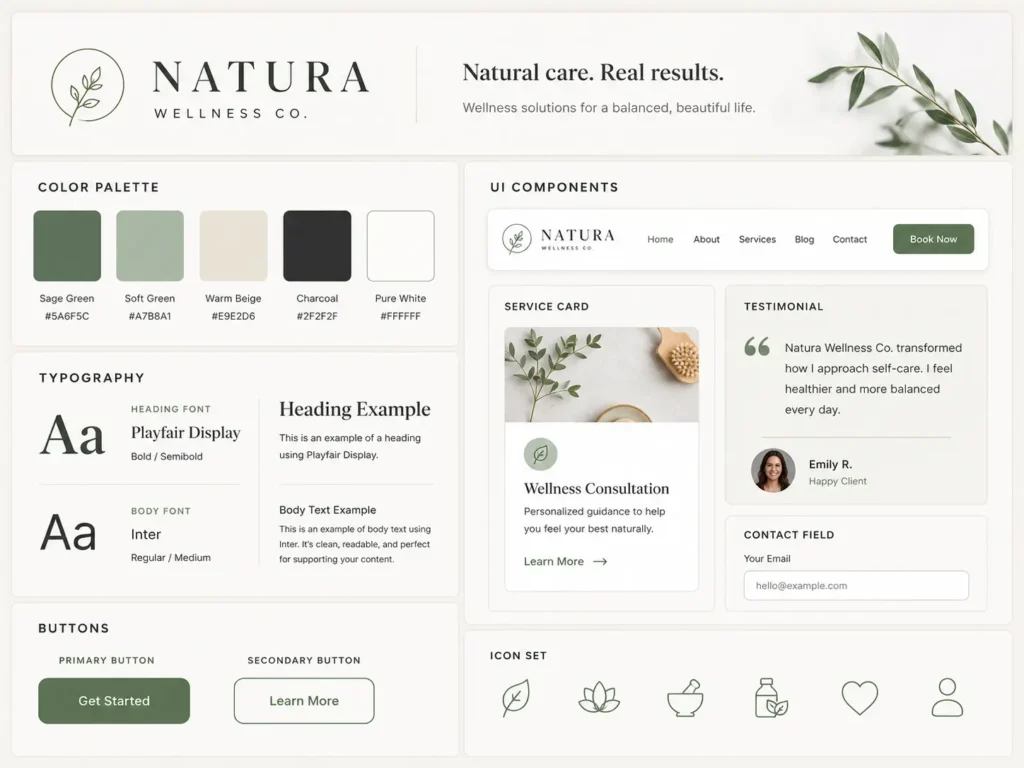
Your colors, fonts, button style, photos, icons, headlines, layout, and tone should all feel like they belong to the same business. When these pieces work together, your site feels polished and intentional.
| Branding Element | What It Does | Practical Website Tip |
|---|---|---|
| Logo | Helps people recognize your business | Place it clearly in the header, but do not make it too large |
| Color palette | Creates mood and memory | Use 2 to 4 main colors consistently |
| Typography | Affects readability and style | Choose easy-to-read fonts for service pages |
| Brand message | Explains your value | Use a clear headline above the fold |
| Photos | Builds trust and personality | Use real business photos when possible |
| CTA buttons | Guides visitors to act | Keep button wording simple, like “Book a Consultation” |
For example, a family dentist may use soft colors, warm photos, and calm messaging. A home remodeling company may need bold project photos, trust badges, and strong calls to action. A business coach may need professional portraits, testimonials, and clear service packages.
How Branding Improves Website Design
A branded website helps visitors move through your pages without feeling lost. It creates visual order and makes your business easier to remember.
The best way to apply branding is to connect each design choice to a purpose. Do not choose a color just because it looks nice. Choose it because it matches the feeling you want customers to have.
Clear Messaging
Your homepage headline should say what you do and who you help. Avoid vague lines like “We bring ideas to life.” That sounds nice, but it does not tell visitors what you actually offer.
A better example:
“We design clean, conversion-focused websites for service-based small businesses.”
This works because it says the service, the style, and the audience.
Consistent Visual Style
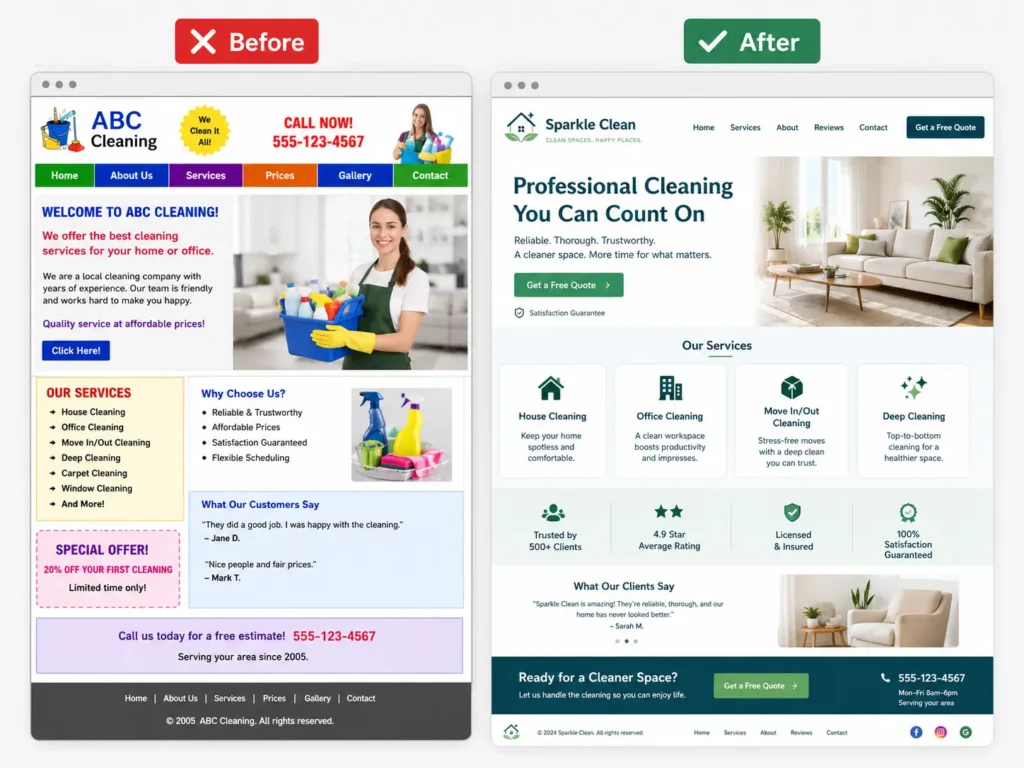
A common small business mistake is using different colors, fonts, and image styles on every page. That makes the site feel unfinished.
Keep the same button style, heading style, and section spacing across your homepage, service pages, about page, and contact page. Consistency makes your site feel easier to trust.
Better User Experience
Branding also affects how people use your website. If your navigation is simple and your content is organized, visitors can find what they need faster.
Google explains that SEO helps search engines understand your content and helps users decide whether they should visit your site. This is why your brand message, page structure, headings, and internal links should all work together. You can learn more from the Google SEO Starter Guide.
Which Website Branding Option Is Best?
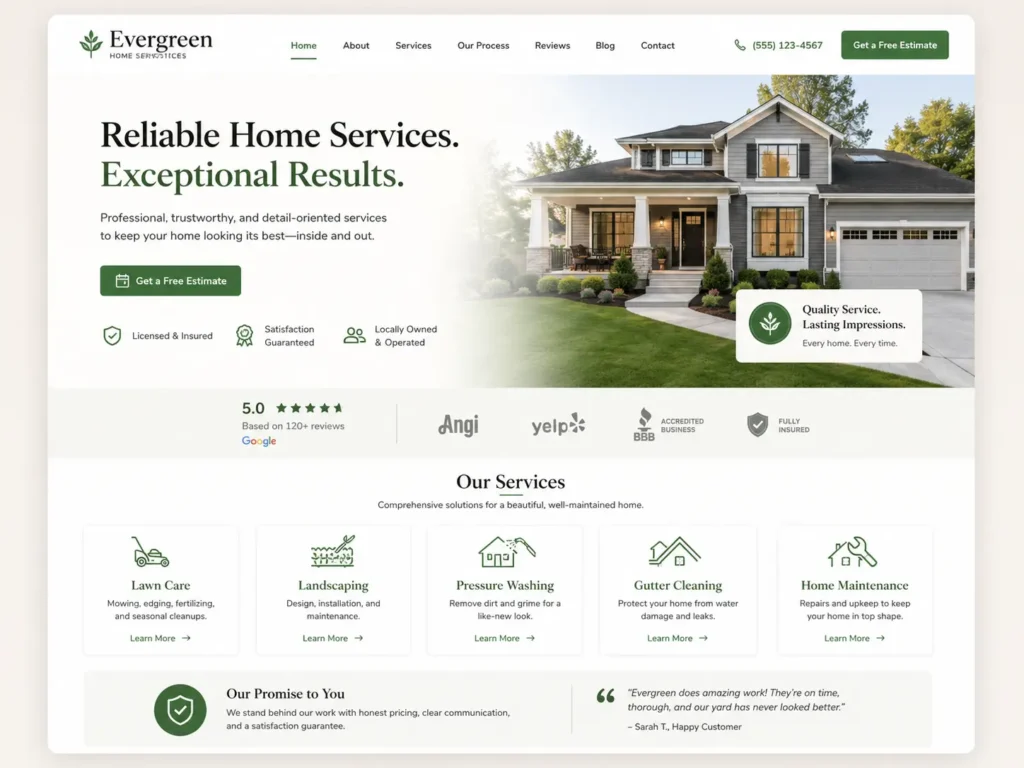
The best option depends on your budget, goals, and how serious you are about using your website to generate leads.
Some businesses can start with a simple brand refresh. Others need a full custom website design because their current site does not reflect their services, pricing, or ideal customer.
| Option | Best For | Pros | Limits |
|---|---|---|---|
| DIY template | Very new businesses testing an idea | Low cost and fast setup | Can look generic and may need fixing later |
| Brand refresh | Businesses with a decent site but weak visuals | Improves trust without rebuilding everything | May not fix deeper UX or SEO problems |
| Custom web design | Businesses ready to look professional and convert visitors | Stronger strategy, layout, SEO structure, and brand fit | Higher investment upfront |
| Full redesign | Businesses with outdated, slow, or confusing websites | Best for repositioning and lead generation | Needs planning, content, and design direction |
For most service-based small businesses, a custom website or strategic redesign is the best long-term choice. It gives you a site built around your audience, offers, trust signals, and conversion goals.
If your current site feels outdated, you can explore website design & development services to see what a better structure could include.
How to Build a Branded Small Business Website
Start with strategy before design. A beautiful site will not help much if the message is unclear.
Know Your Ideal Customer
Your website should not try to speak to everyone. A local bakery, salon, contractor, accountant, and therapist all need different branding because their customers care about different things.
Ask yourself:
✅ What problem does my customer want solved?
✅ What makes them nervous before hiring someone?
✅ What proof do they need before contacting me?
These answers help shape your homepage, service pages, photos, and calls to action.
Define Your Brand Personality
Your website can feel friendly, premium, bold, calm, modern, local, creative, or professional. The important part is choosing a style that fits your business and audience.
A luxury service provider may need white space, elegant fonts, and high-end photography. A local home service company may need strong before-and-after photos, simple pricing cues, and visible contact buttons.
Match Design With Conversion Goals
Your website should guide visitors toward one main action. That could be booking a call, requesting a quote, viewing your work, or filling out a form.
This is where good branding and good web design meet. Your brand builds trust, while your layout makes the next step easy.
For inspiration, you can review portfolio highlights and see how design choices support different business goals.
Website Pages That Need Strong Branding
Your homepage is important, but it is not the only page that needs attention. Many visitors enter your site through a service page, blog post, or portfolio page.
Homepage
Your homepage should act like a clear introduction. It should explain your business, show your value, build trust, and point people to the next step.
A strong homepage usually includes:
✅ Clear headline
✅ Short service summary
✅ Trust signals
✅ Featured work or testimonials
✅ CTA button
✅ Internal links to key pages
For more layout ideas, read this modern small business website guide.
Service Pages
Service pages should be more specific than your homepage. Each page should explain what is included, who it is for, how the process works, and why your business is a good fit.
This is also where brand voice matters. Do not sound like every other provider. Use words your customers understand.
About Page
Your About page should make your business feel real. Include your story, values, location, experience, and photos when possible.
People want to know who they are hiring. A strong About page can make your business feel more personal and trustworthy.
Blog Pages
Blogs help your brand answer questions before a visitor contacts you. They also support SEO when written around useful search topics.
For example, a small business owner who wants more organic traffic may benefit from this guide on how to rank a small business website.
Branding and SEO Work Better Together
Branding helps people remember and trust you. SEO helps people find you. When both work together, your website has a better chance of attracting the right visitors and turning them into leads.
A branded website can support SEO through:
✅ Clear page titles and headings
✅ Helpful service page content
✅ Internal links to related pages
✅ Optimized images with descriptive alt text
✅ Fast-loading and mobile-friendly design
✅ Trust signals like reviews, case studies, and real photos
RankMath can help you check basics like keyword placement, meta description, internal links, and readability. But the tool is only a guide. Your content still needs to sound helpful and natural.
If your site is built on WordPress, this WordPress SEO for business resource can help you understand how SEO and website structure work together.
Common Website Branding Mistakes to Avoid
Many small business websites lose trust because of small details. These mistakes are easy to miss, but they can affect how visitors feel.
Using Too Many Colors
Too many colors make your site feel busy. Choose a simple palette and use one main CTA color so visitors know where to click.
Making the Logo Do All the Work
Your logo is not your full brand. Your message, layout, photos, content, and user experience matter just as much.
Weak Calls to Action
A button that says “Submit” or “Learn More” may not be strong enough. Use action-focused wording like “Request a Website Quote” or “Schedule a Free Consultation.”
No Proof or Portfolio
Visitors want evidence. Add testimonials, work samples, project results, or reviews. If you are a service provider, your website should show that real people trust you.
Generic Stock Photos
Stock photos can work in some places, but too many can make your site feel less personal. Use real photos of your team, work, workspace, or process when possible.
Practical Tips Before Working With a Web Designer
Before hiring a designer, prepare the basics. This helps the project move faster and gives your designer better direction.
Write down your services, ideal customers, brand personality, and main website goal. Gather your logo files, brand colors, testimonials, photos, and examples of websites you like.
You do not need to have everything perfect. A good designer can help you organize your ideas and turn them into a clean website experience.
A helpful starting point is asking for a review of your current site. You can start with growth-driven web design if you want a website that feels professional and supports long-term business growth.
Final Thoughts: branding for small business website
Strong website branding makes your business easier to understand, remember, and trust. It gives visitors a clear reason to stay on your site and take the next step.
If your website looks outdated, feels inconsistent, or does not explain your value quickly, it may be time to improve the design. Start with clear messaging, consistent visuals, strong service pages, and trust-building content. Once these pieces work together, your website can become more than an online brochure. It can become one of your best sales tools.
Frequently Asked Questions
1. What should a small business website include for strong branding?
A small business website should include clear brand messaging, consistent visuals, and trust-building content. This means your homepage should explain what you do, who you help, and why visitors should choose you. Your logo, colors, fonts, buttons, photos, and tone should feel consistent across every page. Strong branding also includes testimonials, service details, real photos, and a clear call to action so visitors know what to do next.
2. How does website branding affect local customer trust?
Website branding affects trust because visitors judge your business before they ever contact you. If your site looks professional, loads well, and explains your services clearly, people feel more confident reaching out. For local businesses, trust signals like service areas, reviews, team photos, project examples, and easy contact options matter a lot. A branded website makes your business feel established instead of random or unfinished.
3. Do I need a custom website design to build a strong brand?
You do not always need a custom website right away, but custom design is usually better when your business depends on leads, bookings, or premium positioning. Templates can work for a simple starter site, but they often look similar to many other businesses. A custom website lets your designer match the layout, messaging, visuals, and calls to action to your specific services, audience, and goals.
4. Can a web designer improve my brand without changing my logo?
Yes, a web designer can improve your brand because website branding is bigger than the logo. Your designer can improve your color usage, typography, spacing, page structure, button style, image direction, service content, and conversion flow. Even with the same logo, your website can look more modern and trustworthy when the rest of the design system is cleaned up and used consistently.